When cells divide abnormally and uncontrollably, they can form a mass or lump of tissue. This lump is called a tumor. Bone tumors form in your bones. As the tumor grows, abnormal tissue can displace healthy tissue. Tumors can either be benign or malignant. Benign tumors aren not cancerous. While benign bone tumors typically stay in place and are unlikely to be fatal, they are still abnormal cells and may require treatment. Benign tumors can grow and could compress your healthy bone tissue and cause future issues. Malignant tumors are cancerous. Malignant bone tumors can cause cancer to spread throughout the body.
Bone tumors form when cells within any part of any bone begin to grow uncontrollably. Most bone tumors are benign (not cancerous) and not life-threatening. Malignant (cancerous) bone tumors, while much less common, are much more dangerous and can spread to other parts of the body.
Sports injuries can be caused by the following factors:
- Primary bone cancer is cancer that begins growing in a bone or cartilage. Types of primary bone cancer are:
- Osteosarcoma: The most common primary bone cancer in children; this tends to occur in the knee or shoulder.
- Multiple myeloma The most common primary bone cancer in adults; multiple myeloma develops in bone marrow, the tissue inside bones that makes blood cells.
- Chrondrosarcoma: More common in adults, this is cancer originating from cartilage-producing cells typically found in the hips, pelvis, shoulders, or knees.
- Ewing’s sarcoma: This bone cancer typically affects children, adolescents, and young adults, usually in the legs, pelvis, upper arms, or ribs.
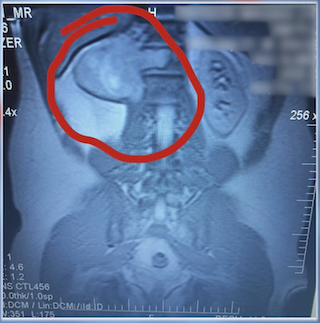
Symptoms of bone tumors can resemble those of other conditions, so our doctors will perform a complete evaluation to confirm a bone tumor and determine which type it is.
Doctors begin with the patient’s medical history, including reviewing any family history of cancer or other tumors and discussing symptoms, and then will conduct a physical exam to check for signs of a bone tumor and rule out other conditions.
Additional tests that can help diagnose bone tumors include:
- X-ray is the main imaging test for bone tumors.
- Bone scan is a nuclear imaging test in which patients receive a small amount of radioactive material before having X-rays to highlight any abnormal bone tissue.
- Computed tomography (CT) scan uses specialized X-rays to produce cross-sectional images of bones to look for bone abnormalities.
- Magnetic resonance imaging (MRI) scan uses radio waves and a powerful magnet to produce detailed images of bones to check for problems.